Unexplained weight gain: what it can mean and what to do next
A higher number on the scale can reflect body fat, retained fluid, digestive contents, medication effects, or ordinary measurement variation. The timing, speed, and accompanying symptoms are usually more informative than the number alone. Hormones influence weight regulation, but sustainable progress still benefits from adequate nutrition, strength activity and individual medical review.
First determine whether the change is real
Body weight commonly fluctuates from day to day after salty meals, changes in hydration, constipation, menstruation, travel, or a later-than-usual dinner. A gain of several pounds overnight is much more likely to represent water or digestive contents than newly accumulated body fat.
Confirm the trend by weighing under similar conditions: use the same scale, place it on a hard surface, and weigh in the morning after using the bathroom and before eating. Record the result rather than reacting to a single measurement.
- Look at a seven-day trend rather than one reading.
- Check whether clothing, rings, or shoes suddenly feel tighter.
- Note ankle, leg, abdominal, or facial swelling.
- Record recent dietary, activity, sleep, menstrual, and medication changes.
When weight gain needs prompt attention
Rapid gain accompanied by swelling can indicate fluid retention and deserves medical assessment, particularly in someone with heart, kidney, or liver disease. Seek urgent help for severe shortness of breath, chest pressure, fainting, confusion, blue lips, or difficulty breathing while lying down.
Contact a clinician promptly if rapid gain occurs with new leg swelling, markedly reduced urination, abdominal enlargement, or worsening breathlessness. During pregnancy, sudden swelling or rapid weight change with a severe headache, vision changes, or upper abdominal pain requires immediate obstetric guidance.
Supplements for Unexplained Weight Gain

LivPure
LivPure uses two botanical-and-nutrient complexes: silymarin and betaine emphasize liver health, while green-tea polyphenols and choline support everyday nutrient processing. Silymarin and glutathione contribute antioxidant support, while betaine and choline are involved in normal liver fat processing. For unexplained weight gain, berberine and betaine make the formula relevant to metabolic wellness, though diagnosed endocrine conditions require their own care.
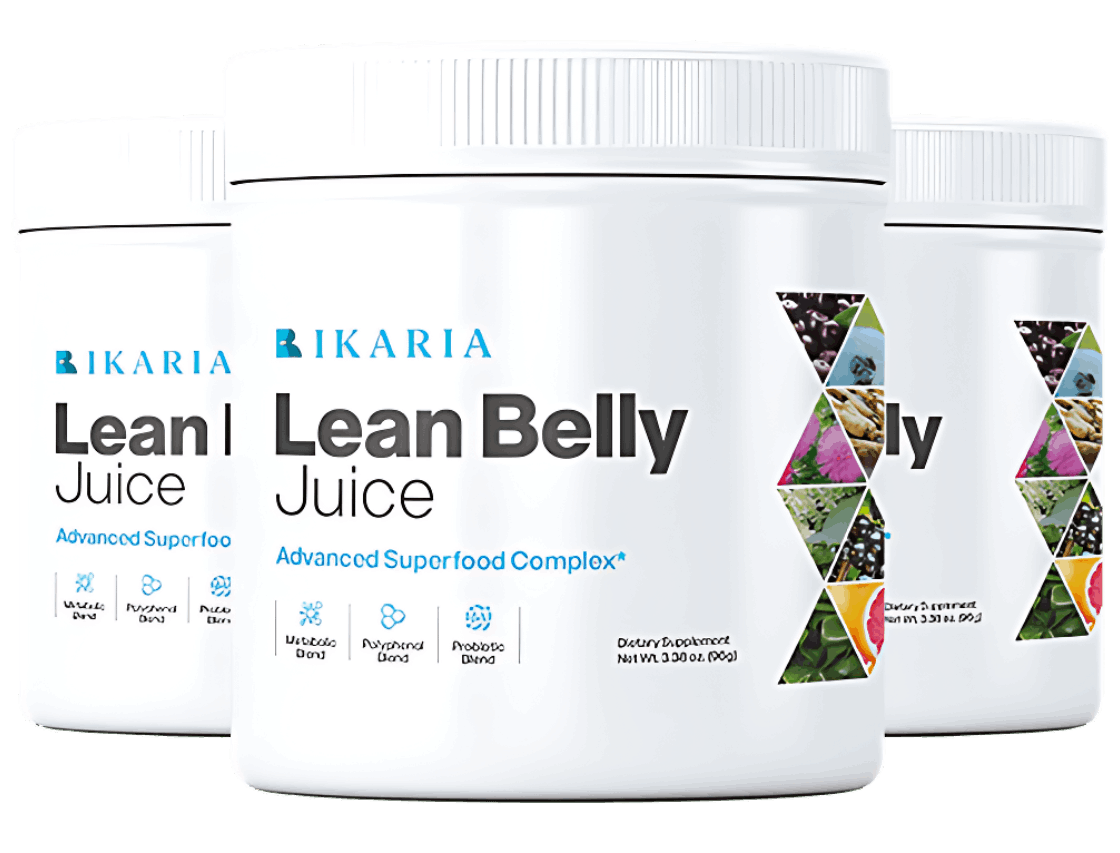
Ikaria Juice
Ikaria Lean Belly Juice brings together plant antioxidants from green tea, berries and beetroot with prebiotic inulin and probiotic cultures for digestive wellness. The combination of probiotic cultures, prebiotic fiber and botanical polyphenols targets gut comfort and everyday metabolic health. As unexplained weight gain changes eating and digestion patterns, the inulin-and-probiotic blend emphasizes gut regularity.
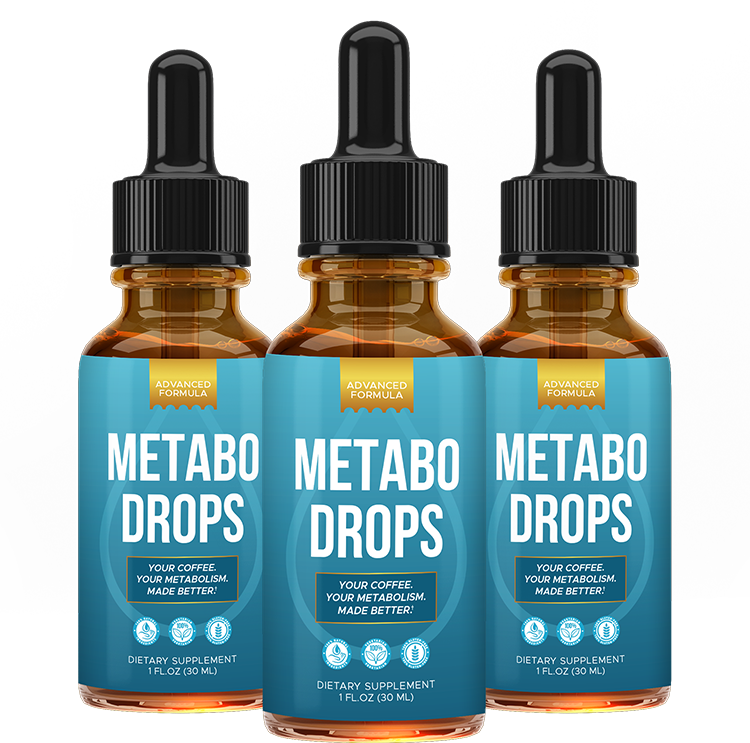
Metabo Drops
Metabo Drops is a coffee-mix formula combining chromium for normal macronutrient metabolism with chlorogenic acid, green tea, L-carnitine and L-theanine. The coffee-mix approach aims to support metabolic efficiency and steady daytime energy, with L-theanine helping balance alertness. In the context of unexplained weight gain, chromium supplies a specific nutrient involved in normal glucose metabolism.
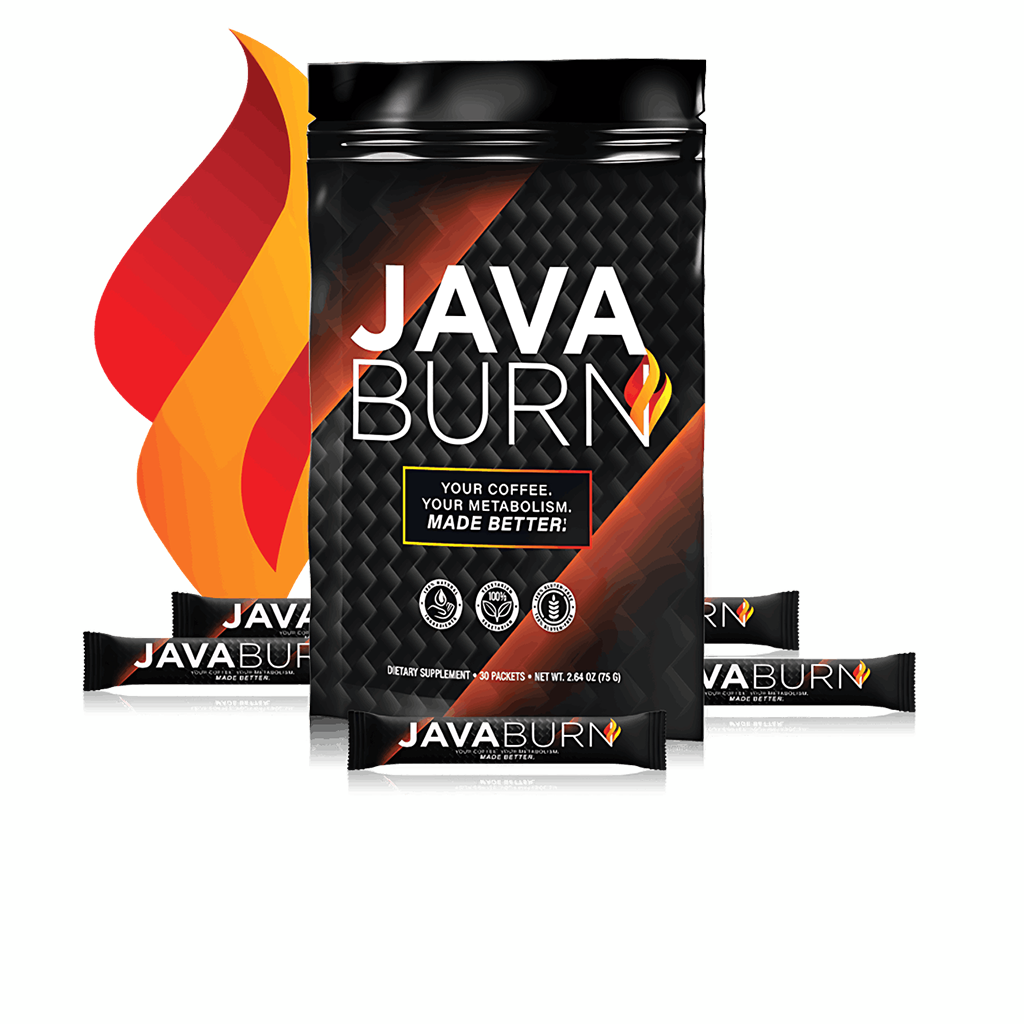
Java Burn
The Java Burn coffee formula brings together green tea, green coffee bean extract, chromium, L-carnitine and L-theanine to support everyday metabolic function and alertness. The formula pairs a coffee-friendly metabolic blend with L-theanine for focus and B vitamins for normal energy-yielding metabolism. In the context of unexplained weight gain, chromium supplies a specific nutrient involved in normal glucose metabolism.

HepatoBurn
HepatoBurn centers on liver wellness and normal fat processing, with silymarin, choline, betaine, berberine and green-tea polyphenols. Choline and betaine support normal liver lipid metabolism, while silymarin, glutathione and resveratrol add an antioxidant emphasis. For unexplained weight gain, berberine and betaine make the formula relevant to metabolic wellness, though diagnosed endocrine conditions require their own care.

AquaBurn
The AquaBurn botanical blend contains fucoxanthin, green tea, quercetin, resveratrol and turmeric, with ginger and ginseng contributing digestive and vitality support. Green-tea catechins and seaweed-derived fucoxanthin provide the formula’s thermogenesis-oriented angle, while ginger contributes digestive support. For unexplained weight gain, the botanical combination emphasizes daily energy and antioxidant support, not hormone replacement.
Flat Belly Shake
The Flat Belly Shake drink offers a measured powder serving rather than capsules, making it an option for people organizing daily meal portions. A prepared shake can simplify a planned breakfast or snack; the actual protein, fiber and calorie amounts on the current label determine how filling it may be. For unexplained weight gain, its specific nutritional purpose can complement routine health management without replacing medical evaluation.

Nagano Tonic
Nagano Tonic is a powdered drink mix made with botanicals and nutrients including camu camu, green-tea EGCG, mangosteen, ginger and inulin. Its formula is promoted for daily metabolic, energy and digestive support; it is not a substitute for balanced nutrition or medical care. When comparing options alongside unexplained weight gain, review the ingredient label and seller terms before ordering.
A practical two-week review
If there are no urgent symptoms, collect enough information to identify a pattern. Track morning weight, meals, beverages, sodium-heavy foods, activity, sleep, bowel habits, swelling, and relevant symptoms for one to two weeks.
Also create a complete medication list that includes prescriptions, over-the-counter products, vitamins, powders, drops, and recent dose changes. Do not stop a prescribed drug because it might affect weight; ask the prescriber whether an alternative or monitoring plan is appropriate. Sleep, medication changes and underlying medical conditions can alter appetite or energy, so a weight trend alone may miss the cause.
- Measure waist circumference no more than once weekly.
- Photograph or write down supplement labels and serving sizes.
- Record when the change began and how many pounds were gained.
- Note fatigue, cold intolerance, snoring, thirst, menstrual changes, or mood changes.
What not to do
Avoid responding with crash dieting, dehydration, laxatives, or unverified detox products. These approaches can alter water balance without addressing the cause and may complicate evaluation.
If your weight is low or you are trying to gain weight, unexplained loss of appetite or difficulty maintaining weight deserves a separate assessment. A multivitamin does not supply enough calories or protein to create healthy weight gain.
Use behavior changes that generate useful information
Keep meals and activity reasonably consistent while tracking the trend. Large, simultaneous changes make it harder to determine whether medication, fluid retention, diet, sleep, or another factor is responsible.
Frequently Asked Questions
Many people vary by a few pounds because of hydration, sodium, digestive contents, and hormonal changes. A sustained upward trend or rapid gain with swelling is more important than a single reading.
Yes. Retained stool and bloating can temporarily increase scale weight, but persistent constipation with pain, vomiting, blood in the stool, or inability to pass gas requires medical advice.
Not aggressively. Maintain a clear record of ordinary intake and symptoms, avoid crash diets, and arrange an evaluation if the gain persists or has concerning features.